No One Explained these
Reading Rules to You.
How Can You Easily Help Students
Decode Longer Words?

You’ve taught CVC. You’ve taught silent e. You’ve practiced blends and digraphs.But when words get longer… students freeze.
They guess.
They skip endings.
They avoid reading altogether!
You are not alone. And it is NOT because you are a bad teacher.
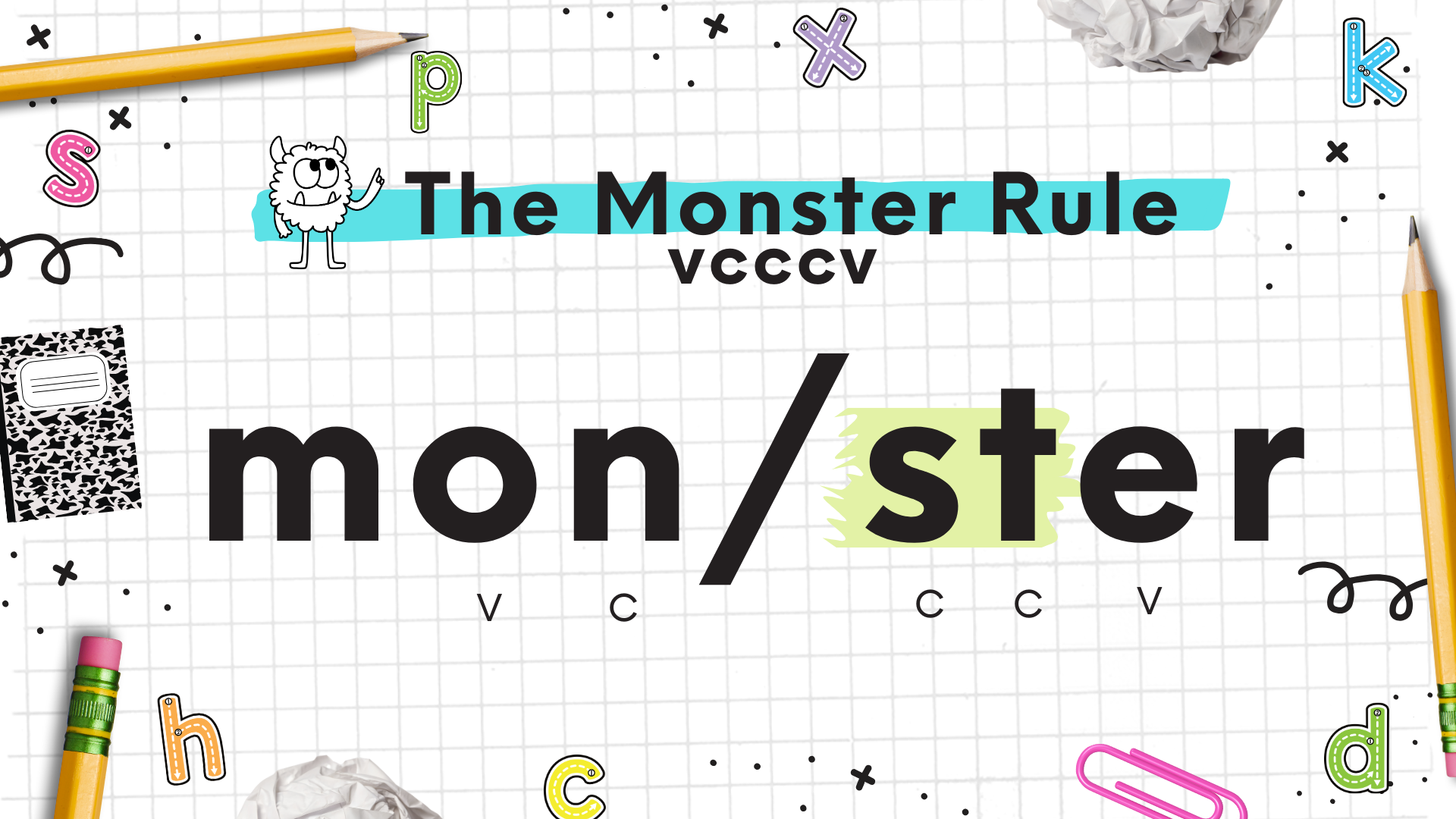
It is because most teachers were never taught syllable division.
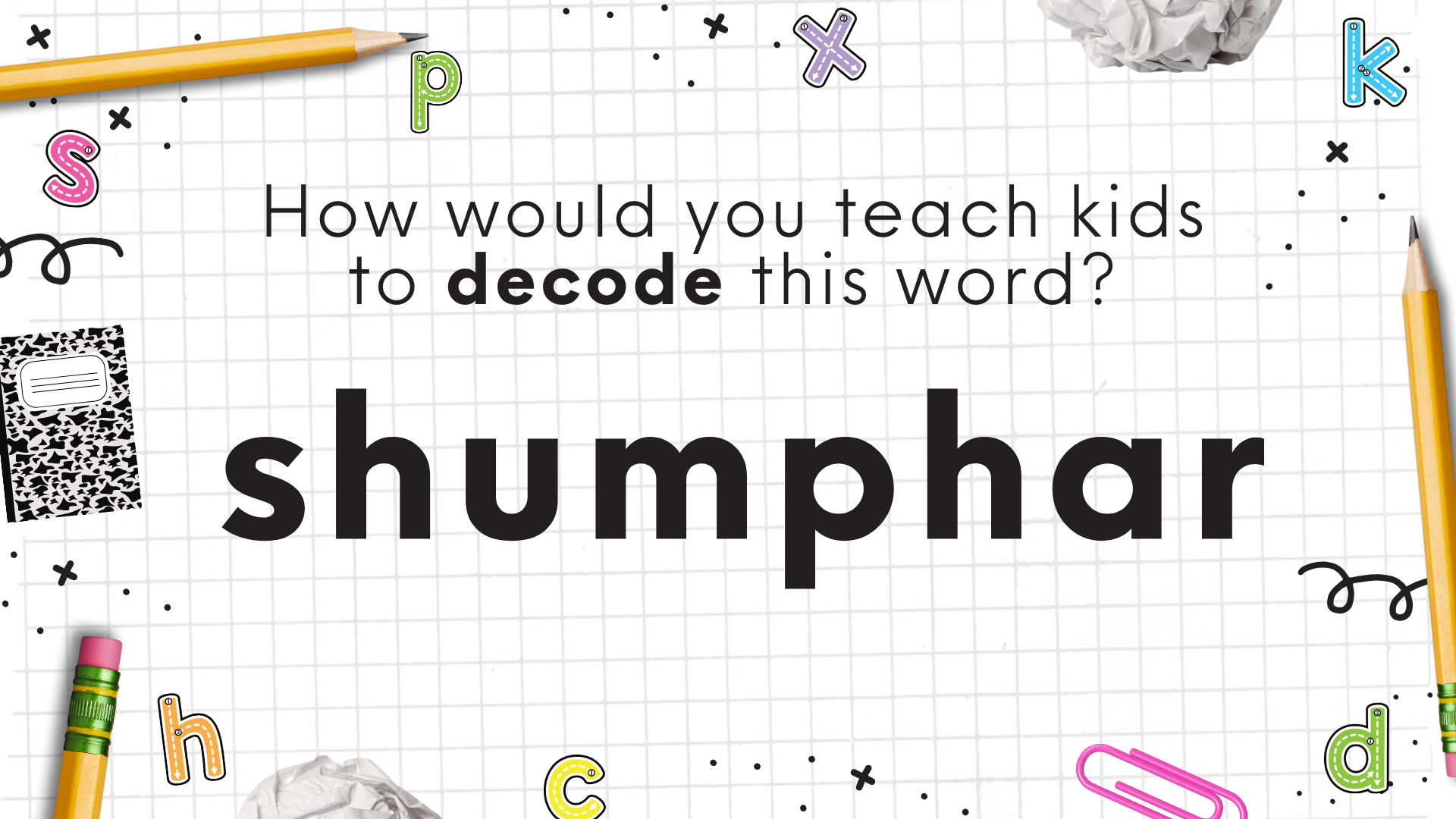
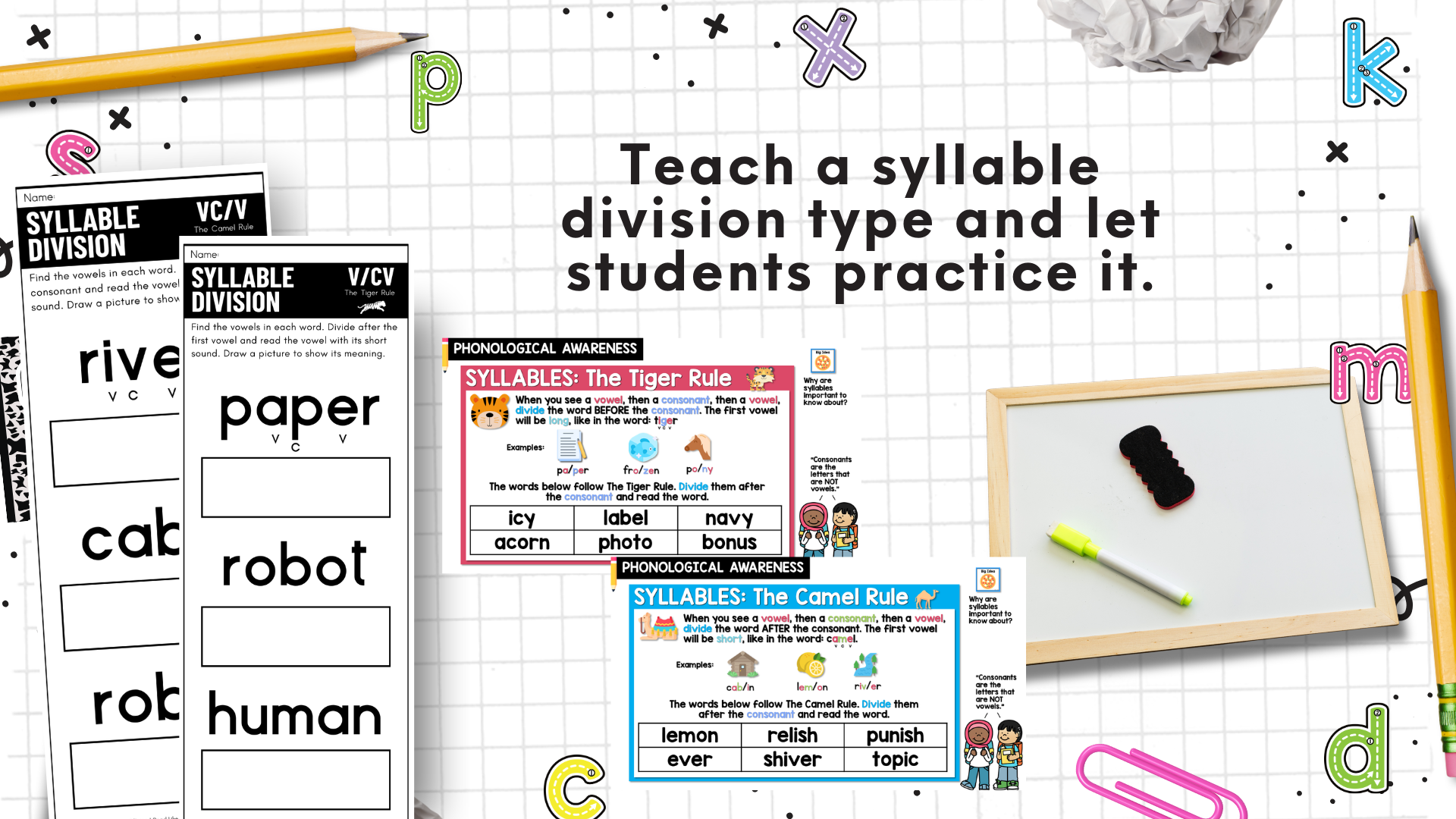
VCV, VCCV, VCCV... it can get a little confusing. I can help.

IN THIS FREE TRAINING YOU WILL LEARN:
✔ When students are actually ready for syllable division
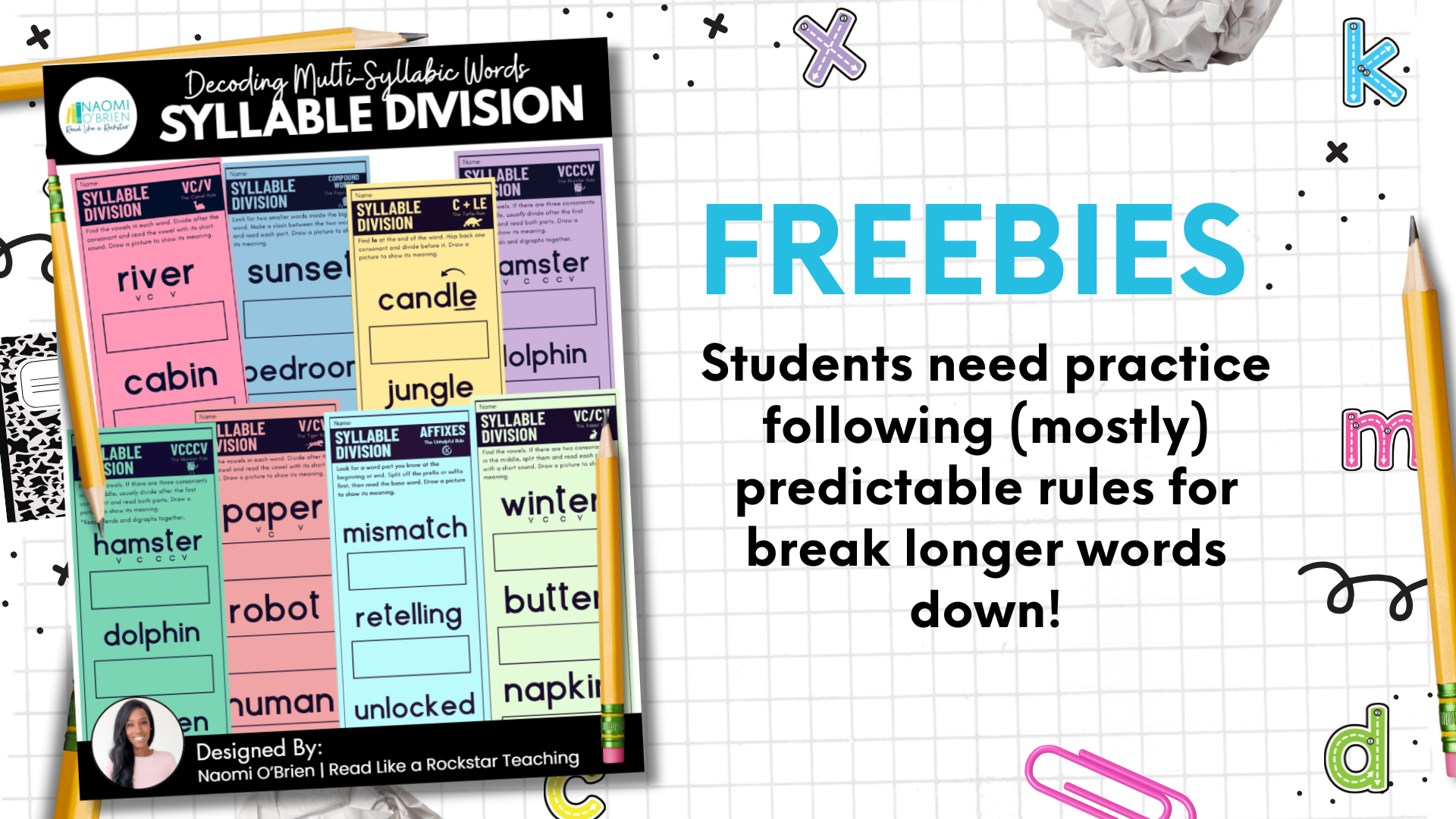
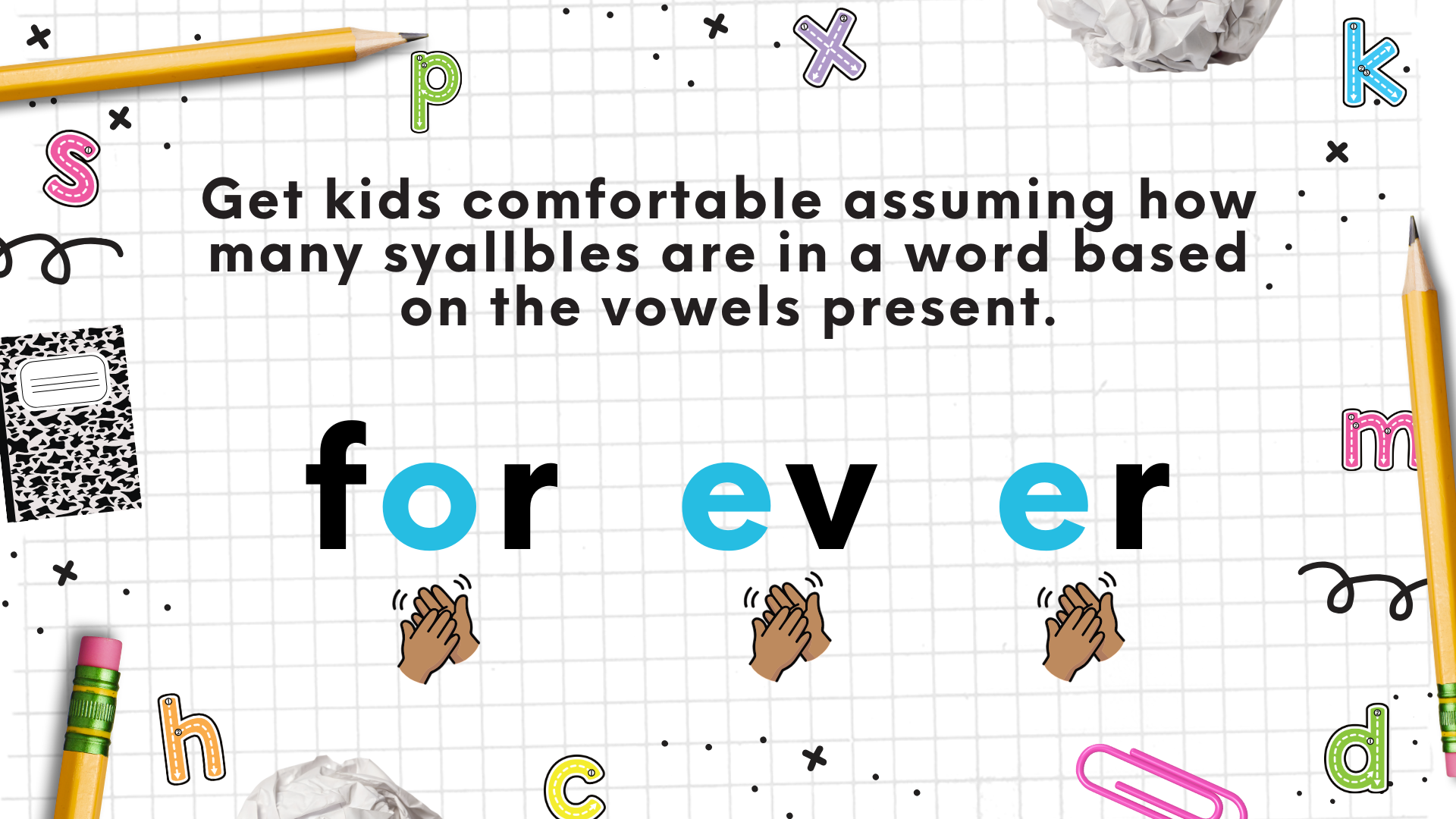
✔ 7 predictable decoding patterns readers rely on
✔ How to teach students to divide longer words step-by-step
✔ How to stop guessing behaviors
✔ How to build confidence with longer words
✔ What daily phonics instruction should really look like
THIS TRAINING IS FOR TEACHERS WHO:
- Have students who can read short words but struggle with longer ones
- Notice students skipping endings
- Feel unsure how to teach syllable division
- Understand phonics rules but struggle to apply them in real lessons
- Want students to become confident decoders
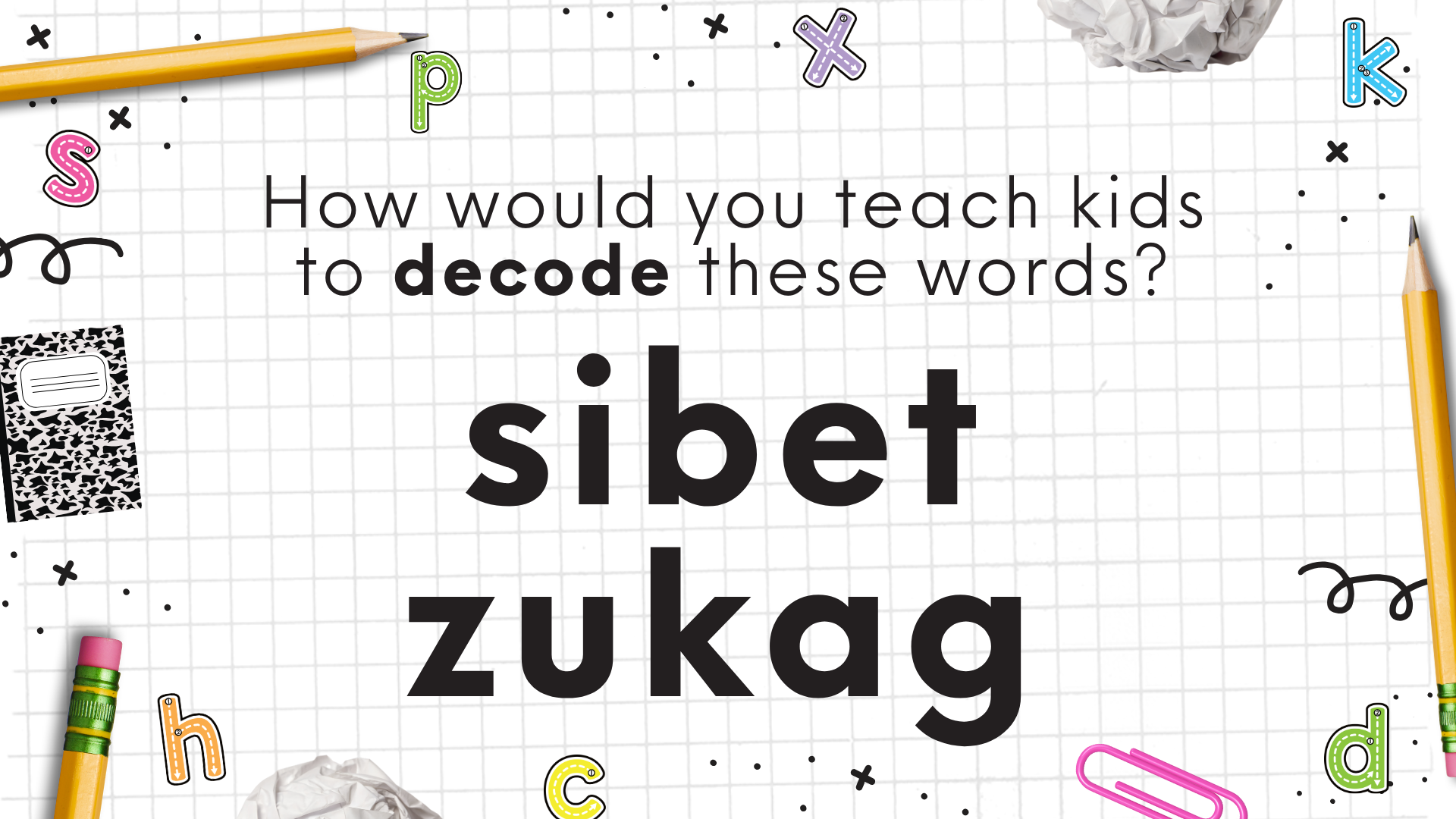
After the training you'll leave with easy to teach strategies for breaking down longer, multi-syllable words following special rules!
DON'T MISS OUT!
- Live Training Only
- Free Resource Only for Attendees
- Limited Spots

Don't miss this workshop... Save your spot!
April 12th, 22nd, or 25th!
All session times are converted to your local time zone when you select your session.
All attendees will receive a Professional Development Certificate for participating in the webinar.
Please note: Acceptance of PD hours varies by school and district.
We recommend checking with your administrator or district to confirm whether this certificate can be applied toward your professional learning requirements.
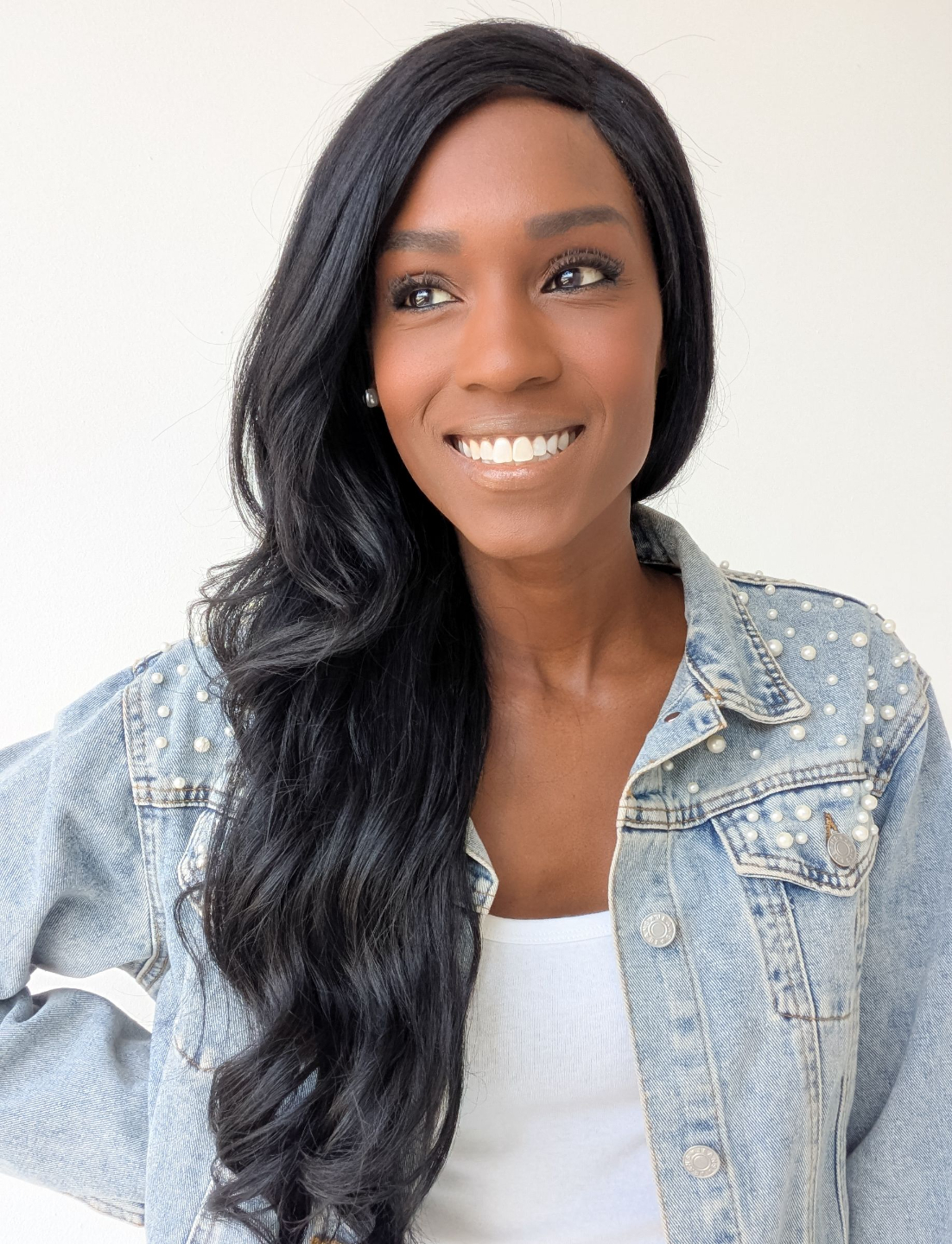
NAOMI O'BRIEN
Naomi O’Brien is a K-2 educator, speaker, and author who has helped thousands of teachers implement systematic phonics instruction.
Her students consistently made 2–3 years of reading growth using structured routines and predictable decoding instruction.